Up and Down Garage Doors explains how 24, 25, and 27 gauge steel skins affect dent resistance, insulation performance, and hardware wear for Richmond, Surrey, and Vancouver homes facing coastal humidity and temperature swings.
Garage Door Steel Gauge Guide
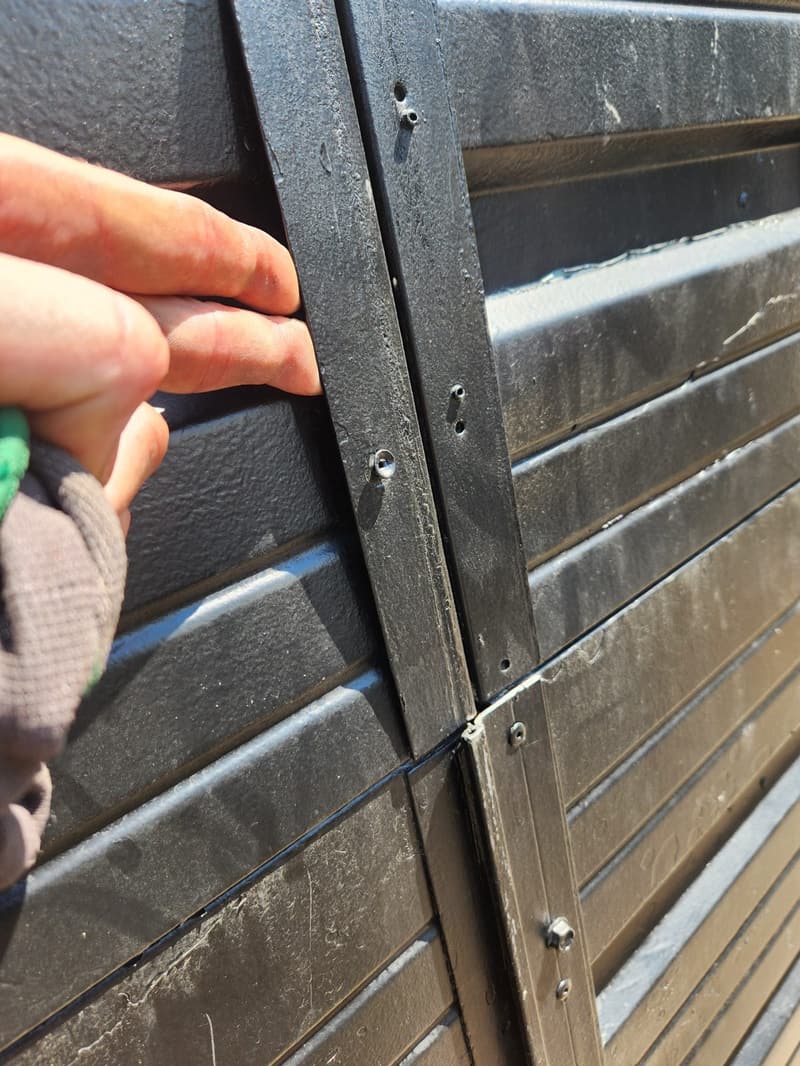
Steel gauge runs counter-intuitively: lower numbers mean thicker metal. A 24-gauge skin measures approximately 0.024 inches (0.61 mm), 25-gauge is 0.021 inches (0.53 mm), and 27-gauge is 0.017 inches (0.43 mm). Each step up in gauge number reduces thickness by roughly 10-15%, directly impacting dent resistance and panel rigidity across Metro Vancouver’s varied housing stock from 1970s split-levels in Richmond to newer infills in North Vancouver.
How Gauge Affects Dent Resistance in Daily Use
24-Gauge: Maximum Dent Resistance for High-Traffic Doors
At 0.024 inches, 24-gauge steel withstands impacts from basketballs, hockey sticks, and car door dings common in driveways of Steveston and East Vancouver homes. The thicker skin also resists oil-canning — visible waviness across wide panels — especially on 16-foot double doors facing afternoon sun. Most commercial-grade sectional doors and premium residential lines like Clopay’s Intellicore or Wayne Dalton’s 8500 series use 24-gauge outer skins.
25-Gauge: The Builder-Grade Standard Across Lower Mainland
Nearly every tract-home garage door installed in Surrey, Langley, and Coquitlam developments since the 1990s uses 25-gauge steel. At 0.021 inches, it handles normal family use but shows dents from stray soccer balls or recycling bins. The thinner skin also transmits more vibration to hinges and rollers, accelerating wear on 11-ball nylon rollers and 14-gauge hinges common on these doors.
27-Gauge: Lightweight Skins on Budget and Older Doors
Doors from the 1980s and entry-level models often carry 27-gauge skins at 0.017 inches. These dent from lean-on pressure alone and flex noticeably in wind loads common along the Fraser River corridors. We frequently replace entire 27-gauge sections on Richmond and Delta homes where a single panel replacement costs nearly as much as a new 25-gauge door.
Gauge Interaction with Insulation and Hardware
Polyurethane vs. Polystyrene Core Bonding
Thicker 24-gauge skins bond more securely to injected polyurethane foam (R-18 to R-20), creating a composite panel that acts like a stressed-skin assembly. Thinner 25 and 27-gauge skins often use laminated polystyrene sheets (R-9 to R-13) where the steel carries less structural load. In Metro Vancouver’s damp winters, the stronger bond on 24-gauge doors reduces delamination risk at panel edges.
Hinge and Roller Requirements by Gauge
24-gauge doors typically ship with 14-gauge end hinges and 13-ball bearing rollers to handle the heavier panel weight (120-150 lbs per section). 25-gauge doors use 14-gauge hinges with 11-ball nylon rollers (90-110 lbs per section). 27-gauge doors often have 15-gauge hinges and 10-ball rollers (70-85 lbs). Mismatched hardware — like putting 11-ball rollers on a 24-gauge door — causes premature hinge cracking at the roller stem within 3-5 years.
Metro Vancouver Climate Considerations
Coastal Humidity and Condensation Cycles
Richmond and South Vancouver homes see 160+ rainy days annually. Thinner 27-gauge skins cool faster, creating condensation on the interior face that drips onto torsion springs and cables. This accelerates corrosion on non-galvanized extension springs and causes cable fraying at the bottom bracket — a common failure point we see on Ladner and Tsawwassen service calls.
Thermal Expansion on South-Facing Doors
Dark-colored 24-gauge doors on south-facing garages in Shaughnessy or Kitsilano can reach 60°C surface temperatures in July. The thicker steel expands less per degree than thinner gauges, reducing bowing between stiles. We specify 24-gauge for any door over 9 feet wide with dark finishes in unshaded exposures.
When to Upgrade Gauge During Replacement
Matching Existing Door Gauge for Section Replacement
If only one panel is damaged, matching the original gauge maintains balanced spring tension and track alignment. Mixing a 24-gauge section into a 25-gauge door adds 15-20 lbs per section, throwing off torsion spring balance and causing uneven cable wear. Our panel replacement service always verifies gauge before ordering.
New Door Selection by Application
For detached garages in Port Coquitlam or Maple Ridge with basketball hoops, 24-gauge pays back in avoided panel replacements. For attached, low-traffic garages in Burnaby high-rise townhomes, 25-gauge with polyurethane insulation delivers better R-value per dollar. We rarely recommend 27-gauge for any Metro Vancouver installation given our wind and moisture exposure.
Frequently Asked Questions
How can I tell what gauge my current door is?
Measure skin thickness at a panel edge with a caliper or micrometer. 0.024″ = 24 gauge, 0.021″ = 25 gauge, 0.017″ = 27 gauge. Manufacturer labels inside the door often list gauge — look for “24 GA,” “25 GA,” or “27 GA” near the model number.
Does gauge affect garage door opener compatibility?
Indirectly. Heavier 24-gauge doors (150+ lbs per section on 16-footers) need 1/2 HP or 3/4 HP openers with reinforced trolley brackets. Lighter 27-gauge doors work with 1/3 HP chain-drive units. Mismatched opener power causes gear stripping or trolley failure within 2-3 years.
Can I upgrade gauge without changing springs?
No. Spring torque is calibrated to door weight. Upgrading from 25 to 24 gauge on a 16×7 door adds roughly 60-80 lbs total, requiring spring replacement. Our spring replacement service includes weight verification and spring recalculation.
Is 24-gauge worth the extra cost for a rental property?
For long-term holds in high-turnover areas like UBC or West End, 24-gauge reduces tenant damage calls. For short-term flips in Surrey or Delta, 25-gauge with polyurethane core meets code and buyer expectations at lower upfront cost.
Do insulated doors use different gauges than non-insulated?
Yes. Non-insulated “pan” doors often use 25 or 27-gauge single-skin construction. Insulated sandwich doors use 24 or 25-gauge outer skins with 26-27 gauge inner backer skins. The inner skin gauge matters less for dent resistance but affects sound transmission and interior durability.
What gauge do commercial sectional doors use?
Standard commercial doors (Clopay 3720, Wayne Dalton 9600, Amarr 3552) use 24-gauge or 22-gauge (0.030″) outer skins. High-cycle spring systems (25,000-100,000 cycles) on these doors require the panel rigidity of thicker steel to prevent track binding over time.
Need help choosing the right gauge for your Metro Vancouver garage?
Call 778-873-7282 for a free on-site assessment
Explore related services: Richmond garage door repair | New door pricing for Vancouver | Spring repair specifications | Schedule a consultation