If your garage door closes partway or fully then immediately reverses and reopens, the issue is often traced to the door’s safety system detecting an obstruction—even when none is visible. One common mechanical cause is a binding or damaged hinge that creates uneven resistance during travel, tricking the opener into thinking the door has hit something. This reversal is a safety feature designed to prevent injury or damage, but when triggered by worn hardware, it becomes a frustrating cycle. Understanding how hinges contribute to smooth operation helps isolate whether the problem is something you can safely assess or if it requires professional attention.
Garage Door Closes Then Reopens Hinge Problem
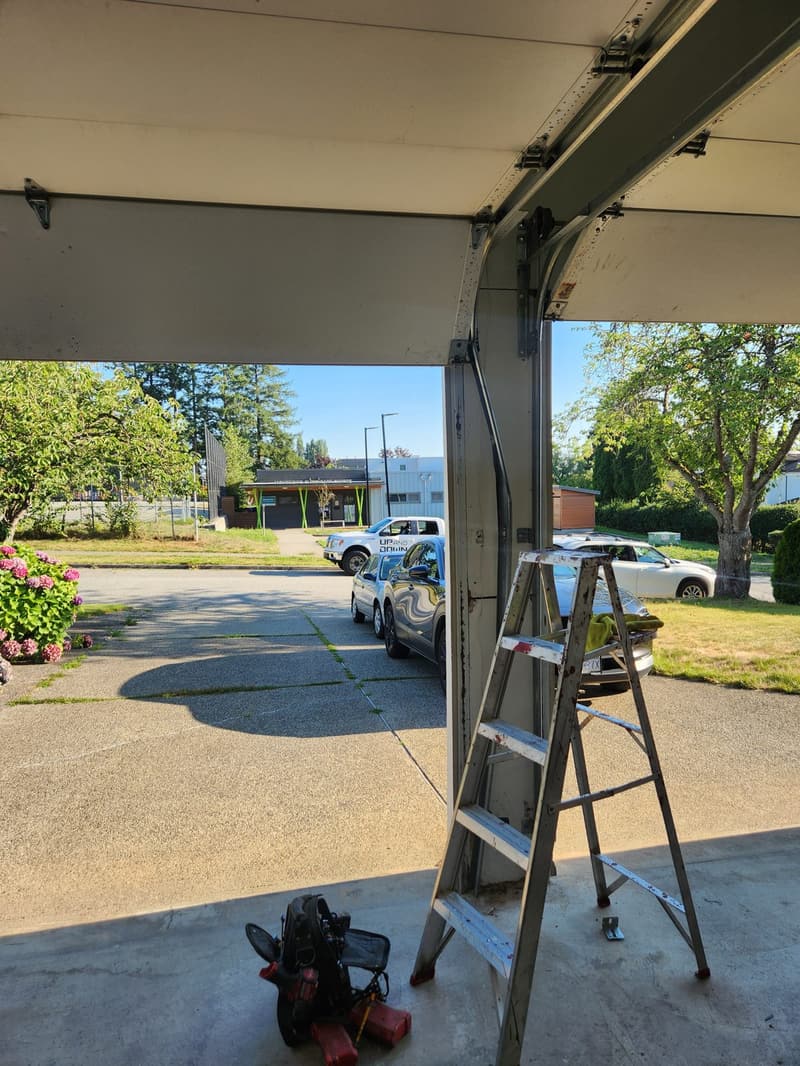
What a Failing Hinge Looks and Sounds Like
A problematic hinge often produces audible clues. You might hear a sharp squeak, grinding noise, or a distinct click at the same point in the door’s travel each time it reverses. Visually, inspect the hinge while the door is stationary: look for gaps between the hinge leaves, rust buildup, or a roller that appears tilted or frozen. A bent hinge leaf will cause the roller to ride unevenly in the track, sometimes climbing out slightly before snapping back—a motion that generates spike resistance. In some cases, the hinge screw holes may be stripped, allowing the hinge to shift under load and misalign the roller path.
What Homeowners Can Safely Check
Start by disconnecting the opener using the emergency release cord—this lets you operate the door manually. Lift and lower the door slowly, paying attention to any sticking points or uneven motion. If the door binds at a specific section, trace that area to the corresponding hinge. Spray a silicone-based lubricant on the hinge pivot and roller shaft (avoid WD-40, which attracts dust). Manually work the hinge back and forth to distribute the lubricant. If the bind lessens and the door moves freely, the hinge may just need lubrication or roller replacement. If the hinge is visibly bent, cracked, or the roller is shattered, do not attempt to straighten it—replace the entire hinge assembly.
When Hinge Issues Point to Bigger Problems
Sometimes what feels like a hinge problem is actually a symptom of misaligned tracks or worn rollers elsewhere in the system. If multiple hinges show wear or the door sags when lifted manually, the issue may be frame settling or damaged struts—common in older installations or after seismic activity. Strata councils should note that shared garage doors in townhouse complexes often experience accelerated hinge wear due to higher cycle counts and inconsistent maintenance schedules across units. In these cases, a full hardware inspection is warranted to prevent cascading failures.
Why You Shouldn’t Ignore the Reversal Cycle
Repeatedly forcing the door to close despite the safety reversal can strain the opener’s motor, strip the drive gear, or snap a torsion spring if the system is already imbalanced. It also defeats the purpose of the entrapment protection system, increasing risk if a child, pet, or object is in the path. Addressing hinge wear early prevents more costly repairs down the line and ensures the door’s safety features remain functional.
When to Call a Professional
Replace hinges or rollers yourself only if you’re comfortable with basic hand tools and the door is fully secured in the open position using C-clamps on the tracks. Never attempt to adjust or remove hardware connected to the torsion spring system—including the spring itself, cables, or the spring anchor bracket. These components store lethal energy and must be serviced by trained technicians. If lubrication doesn’t resolve the bind, if hinges are damaged, or if the door shows signs of sagging or track misalignment, contact a garage door specialist.
Frequently Asked Questions
### Can a dirty or rusty hinge cause the door to reverse?
Yes. Rust increases friction in the hinge pivot and can seize the roller, creating sudden resistance that mimics an obstruction to the opener’s sensors. Cleaning and lubricating may restore smooth movement if there’s no permanent damage.
Is it safe to spray lubricant on hinges while the door is closed?
Only if you use a silicone-based spray and apply it sparingly to the pivot point and roller shaft. Avoid getting lubricant on the track surface, as it can cause rollers to slip. Operate the door manually several times after application to work it in.
How often should garage door hinges be inspected?
At least once a year for residential doors, and twice annually for high-cycle doors in strata complexes. Check for rust, roller wear, hinge alignment, and loose fasteners during routine maintenance.
Up & Down Garage Doors (778) 873-7282