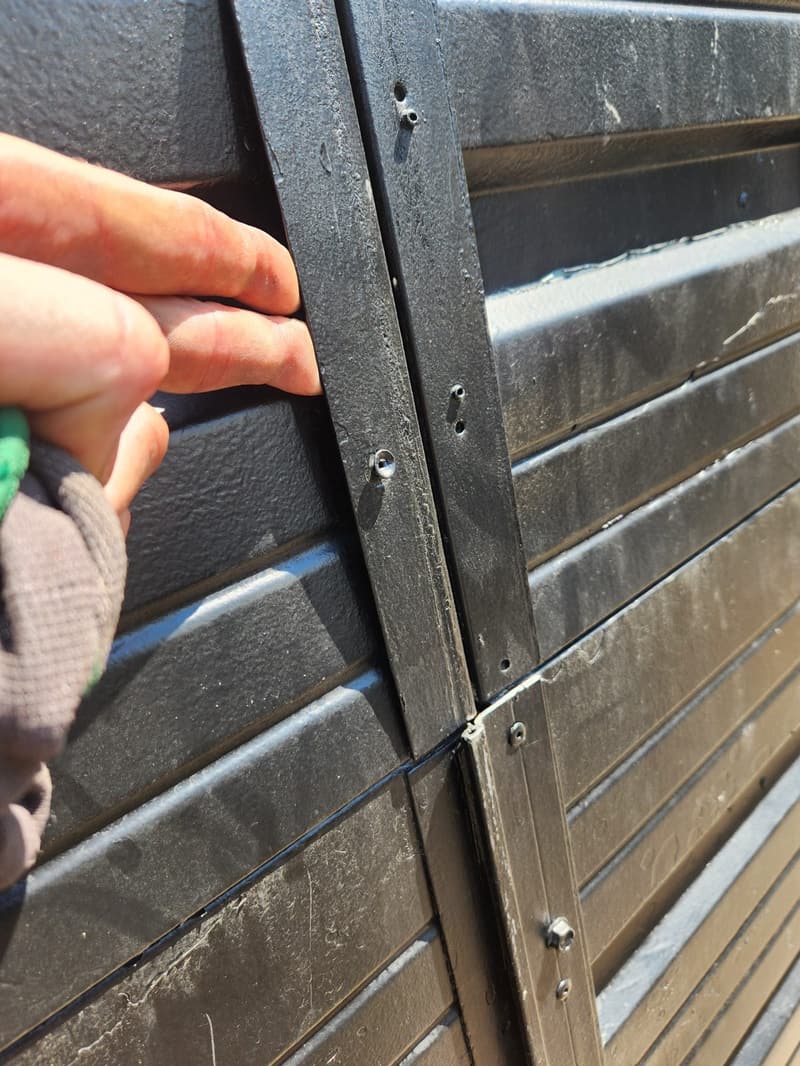
A garage door balance test checks whether the door’s weight is properly counterbalanced by the springs, not whether the hinges are faulty. Hinges themselves don’t control balance—they guide the door’s movement along the tracks. If the door is out of balance, hinges may bind, squeak, or wear unevenly, but the root cause is usually spring tension or track alignment. Start by disconnecting the opener: pull the emergency release cord to put the door in manual mode. Lift the door halfway and let go. A properly balanced door will stay in place, drifting only slightly. If it falls or rises on its own, the springs are likely over- or under-tensioned. Listen for grinding or scraping as the door moves—this can indicate a bent hinge roller or misaligned track, but it’s not the hinge itself failing. Visually inspect each hinge: look for cracked plates, elongated screw holes, or rust that’s seized the pivot point. Try wiggling the door leaf side-to-side at each hinge; any play beyond a few millimeters suggests wear. Lubricate the hinge pins with silicone-based spray if they’re stiff, but never use WD-40 as a long-term lubricant—it attracts dust and breaks down fast. If the door binds at a specific point in its travel, check the track alignment and roller condition before assuming the hinge is at fault. Hinges on the top and bottom panels carry the most load and are prone to stress cracks, especially on older steel doors. Replace any hinge with visible damage using the same gauge and hole pattern—mismatched hinges can cause binding. Never attempt to adjust or replace torsion springs; they store lethal energy and require specialized tools and training. If the balance test fails or you see frayed cables, bent shafts, or rusted spring coils, stop and call a technician. Up & Down Garage Doors can assess and correct spring tension or track issues—call (778) 873-7282 for service in Metro Vancouver.
How to Balance Test Garage Door Hinge