Services
Locations
📞 (778) 873-7282
Home / Blog / How Coastal Salt Air Affects a Garage Door Strut in Metro Vancouver

How Coastal Salt Air Affects a Garage Door Strut in Metro Vancouver

Salt air corrodes garage door struts over time. Call (778) 873-7282.

Call (778) 873-7282
Licensed & insured
Open 24 hours
Based in Richmond
5-star rated

Coastal salt air accelerates corrosion on garage door struts by depositing chloride-laden moisture on steel surfaces, which breaks down protective coatings and initiates rust that weakens the metal over time. This is especially true for homes within 2 kilometres of the ocean in areas like West Vancouver, North Vancouver, Richmond, and Tsawwassen, where wind carries salt spray inland. The strut, a horizontal reinforcement bar attached to the inside of the door panel, prevents bowing under wind pressure and supports the door’s weight during operation. When salt corrodes the strut, it loses structural integrity, leading to visible deformation, uneven door movement, or complete failure under load.

How Coastal Salt Air Affects Garage Door Strut
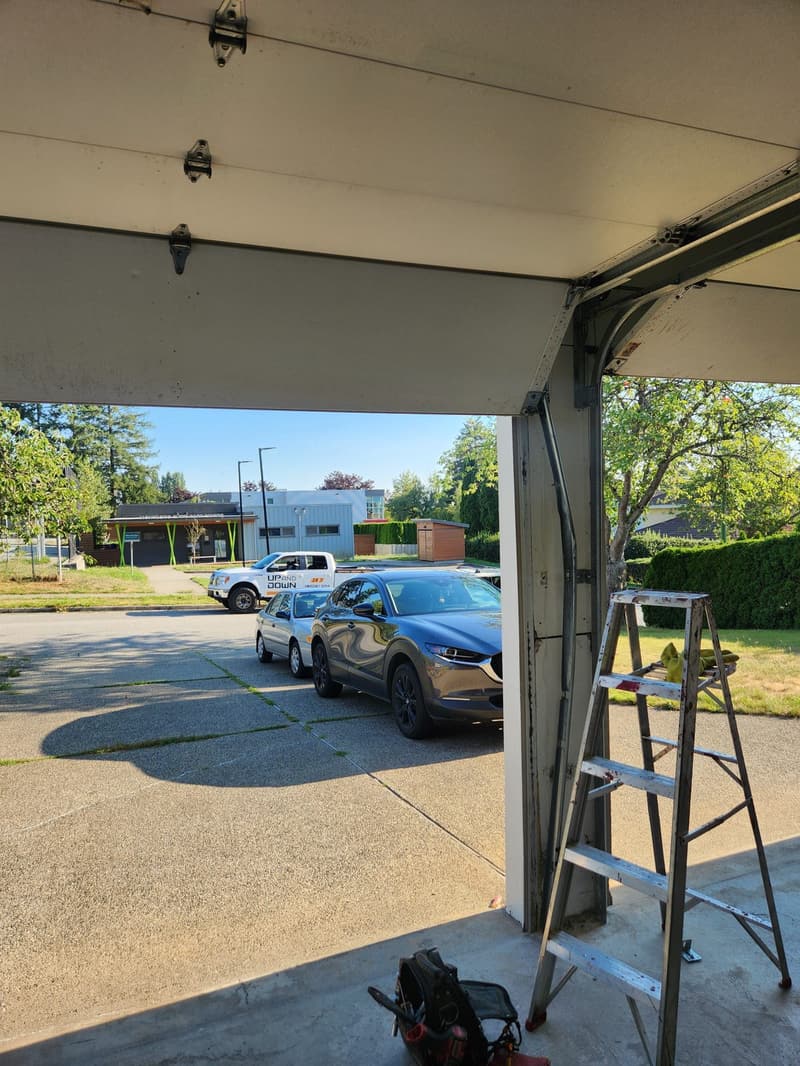
double residential garage door tune-up
How Coastal Salt Air Affects Garage Door Strut — real job photo, Up & Down Garage Doors.

What a Failing Strut Looks and Sounds Like
Early signs include surface rust that flakes or bubbles under the paint, visible along the strut’s length or at connection points where it attaches to the door with brackets or screws. As corrosion worsens, the strut may develop a visible bend or dip in the middle, causing the door panel to sag when closed. You might hear creaking, groaning, or popping noises during operation—especially when the door is mid-travel—as the weakened strut fails to maintain rigidity. In advanced cases, the door may bind in the tracks, appear uneven when viewed from inside or outside, or require more force to operate manually. If the strut fractures completely, the door panel can collapse inward, posing a safety risk and potentially damaging the door sections or opener.

What Homeowners Can Check Themselves
You can inspect the strut from inside the garage with the door closed. Use a flashlight to look along the length of each horizontal strut (typically one or two per door, depending on width and wind load rating). Check for rust spots, flaking paint, or white powdery residue (zinc oxide from galvanized coating breakdown). Push up gently on the strut from below—if it flexes more than a few millimetres or feels soft, it may be compromised. Listen for unusual noises when manually lifting the door halfway; any grinding or shifting in the strut area warrants closer inspection. Never disconnect the opener or attempt to adjust the door while it’s under spring tension—focus only on visual and tactile checks of the strut itself.

When Strut Replacement Is a DIY Job
Replacing a garage door strut is generally a manageable DIY task for someone comfortable with basic tools and working at height, provided the door is fully secured and under no spring tension. You’ll need a socket set, wrenches, and possibly a helper to support the door panel while you remove the old strut and install the new one. Struts are typically fastened with bolts or screws through brackets attached to the door sections—these are accessible without touching the torsion system. Always use a replacement strut that matches the original in length, thickness, and reinforcement profile (e.g., 14-gauge steel with appropriate corrugation for rigidity). After installation, operate the door manually several times to ensure smooth movement and proper alignment before reconnecting the opener.

When You Must Call a Professional
If the strut failure has caused damage to the door panels, bent the tracks, or affected the door’s balance, professional assessment is needed. More critically, if you suspect the issue involves the torsion springs, cables, or bottom bracket—components under extreme stored energy—do not attempt any repair. These parts can release violently if mishandled, causing serious injury or death. Signs of spring-related problems include the door falling rapidly when released, being unable to lift manually, or visible gaps in the spring coil. A technician will evaluate the entire system, replace the strut if needed, and verify that the door is balanced and safe to operate. Given the risks, any work involving spring tension should be left to trained professionals.

Preventive Measures for Coastal Homes
To slow corrosion, rinse the garage door’s exterior with fresh water every few months to remove salt buildup, especially after storms or high-wind events. Apply a silicone-based lubricant or metal protectant to the strut’s surface annually—avoid petroleum-based products that can attract dirt. Inspect the strut and other steel components (hinges, rollers, brackets) twice a year for early signs of rust. Consider upgrading to a stainless steel or powder-coated strut if you’re replacing the door or doing major maintenance in a high-exposure zone. Keeping the door’s paint finish intact also acts as a first line of defense against salt intrusion.

Frequently Asked Questions
### Can I paint over rust on a garage door strut to stop the corrosion?
Painting over active rust only hides the problem temporarily; the corrosion continues underneath and will eventually cause the paint to fail. You must remove loose rust with a wire brush or sandpaper, apply a rust-inhibiting primer, then paint with a metal-grade exterior coating for any meaningful protection.

How often should I replace a garage door strut in a coastal area like Vancouver?
There’s no set schedule—it depends on exposure, maintenance, and the strut’s original quality. In high-salt zones, inspect annually after the 5-year mark; replacement may be needed between 7–12 years if rust is advancing or the metal shows pitting or thinning.

Does a corroded strut affect my garage door opener’s lifespan?
Yes. A failing strut creates uneven resistance and vibration during operation, which forces the opener’s motor and drive system to work harder. This added strain can lead to premature wear on the gears, motor, or trolley, increasing the likelihood of opener failure over time.

Stuck door? Let's get it moving.

One call, a clear price, and the job done right — 24/7 across Metro Vancouver.

📞 Call (778) 873-7282