Services
Locations
📞 (778) 873-7282
Home / Blog / How Heavy Rain Affects a Garage Door Track

How Heavy Rain Affects Garage Door Track

Heavy rain can cause garage door tracks to rust, warp, or collect debris, leading to binding, noise, or misalignment. Call (778) 873-7282.

Call (778) 873-7282
Licensed & insured
Open 24 hours
Based in Richmond
5-star rated

Heavy rain affects a garage door track by introducing moisture that accelerates rust, washes debris into the track, and can cause metal components to swell or bind. This is especially relevant in Metro Vancouver where prolonged wet seasons expose garage doors to consistent dampness. The first sign is often increased resistance when opening or closing the door, followed by grinding noises or visible corrosion on the vertical or horizontal track sections. If left unchecked, rust can pit the steel, rollers may seize, and the door can become misaligned, putting extra strain on the opener and cables.

How Heavy Rain Affects Garage Door Track
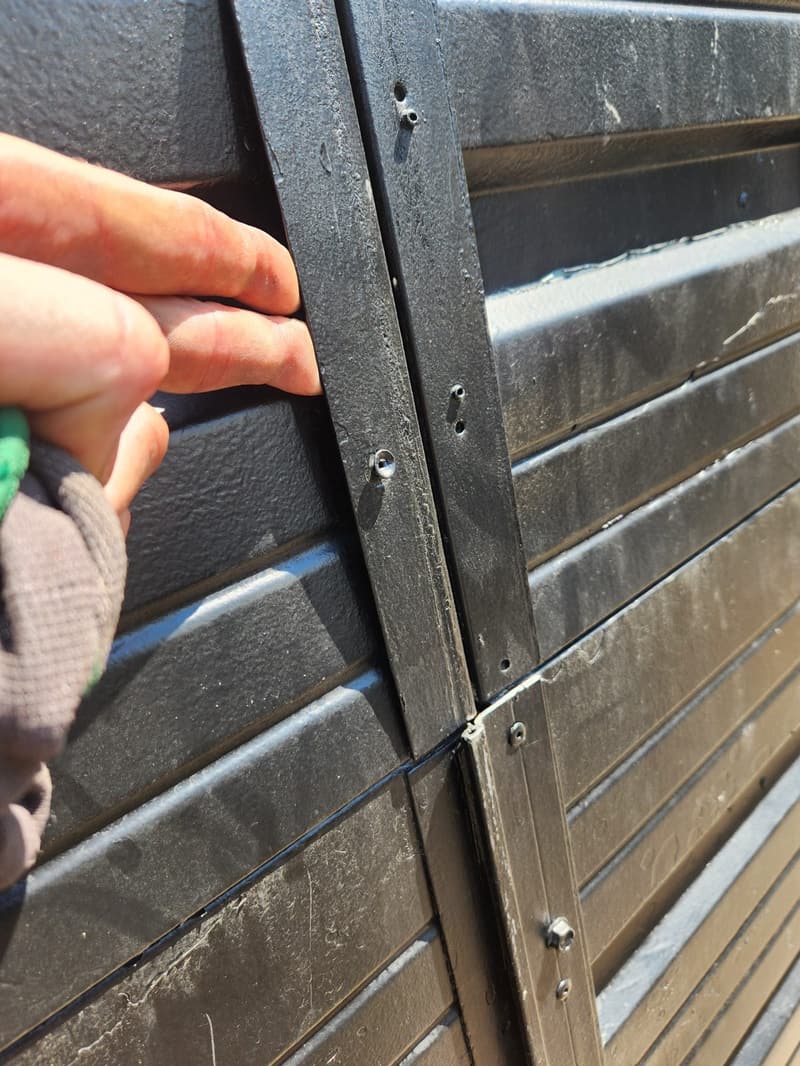
garage door panel and fastener repair
How Heavy Rain Affects Garage Door Track — real job photo, Up & Down Garage Doors.

What Rust and Debris Do to Track Alignment
As rust builds, it flakes off and mixes with dirt, leaves, or sediment washed in by rain. This abrasive paste grinds against the roller bearings and track surface, accelerating wear. In horizontal tracks, water can collect in low spots, leading to localized rust that causes the track to bow or twist slightly. This misalignment means the door no longer travels smoothly — it may bind at a specific point, often halfway up or down, where the curve transitions from vertical to horizontal.

Signs Your Track Is Affected by Rain Exposure
Listen for new grinding, squeaking, or scraping sounds during operation — especially if they’re worse after a storm. Visually inspect the inside of the vertical tracks for orange-brown rust, flaking metal, or standing water. Check if rollers look dirty or are made of black nylon (which can degrade faster in wet, gritty conditions). If the door hesitates or jerks at a certain point, or if you notice gaps between the roller and track, moisture-related wear is likely.

What You Can Safely Inspect and Clean Yourself
Homeowners can wipe down the tracks with a dry cloth to remove surface moisture and debris after heavy rain. Use a vacuum with a narrow nozzle to clear leaves or dirt from the track bottom. Apply a silicone-based lubricant (never WD-40) to the rollers and hinges — not the track itself — to reduce friction. Inspect the bottom seal; if it’s cracked, hard, or missing, replace it to minimize water entry. These are routine maintenance tasks that don’t involve tensioned parts.

When Track Issues Require Professional Attention
If the track is visibly bent, rusted through, or pulling away from the wall, do not attempt to straighten it yourself — the structural integrity may be compromised. Similarly, if the door binds severely or the rollers won’t turn even after cleaning and lubrication, the track may need replacement. Never adjust or remove bolts securing the track to the jamb if the door is under tension; sudden release can cause injury. Any work involving the track’s alignment in relation to the torsion springs or cables should be left to a trained technician.

Why Ignoring Rain-Damaged Tracks Leads to Bigger Problems
A dirty or rusted track forces the garage door opener to work harder, increasing wear on the motor, drive gear, and trolley. Misalignment can cause the door to rub against the jamb, damaging weatherstripping or paint. In severe cases, a seized roller can cause the door to come off the track entirely, creating a safety hazard and potentially damaging the vehicle inside. Addressing track issues early prevents cascading failures that are more costly to repair.

Frequently Asked Questions
### Can I paint over rust on the garage door track to stop it from spreading?
Painting over rust only hides the problem; moisture continues to corrode the metal underneath. Proper treatment requires removing loose rust with a wire brush, applying a rust converter, and then priming and painting — but even this is temporary if the track remains wet. Replacement is often more reliable for severely corroded sections.

Does the type of roller affect how rain impacts the track?
Yes. Steel rollers are more prone to rust and can transfer corrosion to the track. Nylon rollers resist rust but can degrade faster when exposed to abrasive rust slurry. Sealed bearing rollers perform best in wet climates as they keep moisture and debris out of the moving parts.

Should I worry about rain affecting the track if my garage is attached and heated?
Attached, heated garages see less direct rain exposure, but humidity and condensation still occur, especially during seasonal temperature swings. Water can enter during door operation or through poorly sealed perimeters. Regular inspection is still advised, particularly at the track bottom where moisture accumulates regardless of heating.

Stuck door? Let's get it moving.

One call, a clear price, and the job done right — 24/7 across Metro Vancouver.

📞 Call (778) 873-7282