

What a roller does
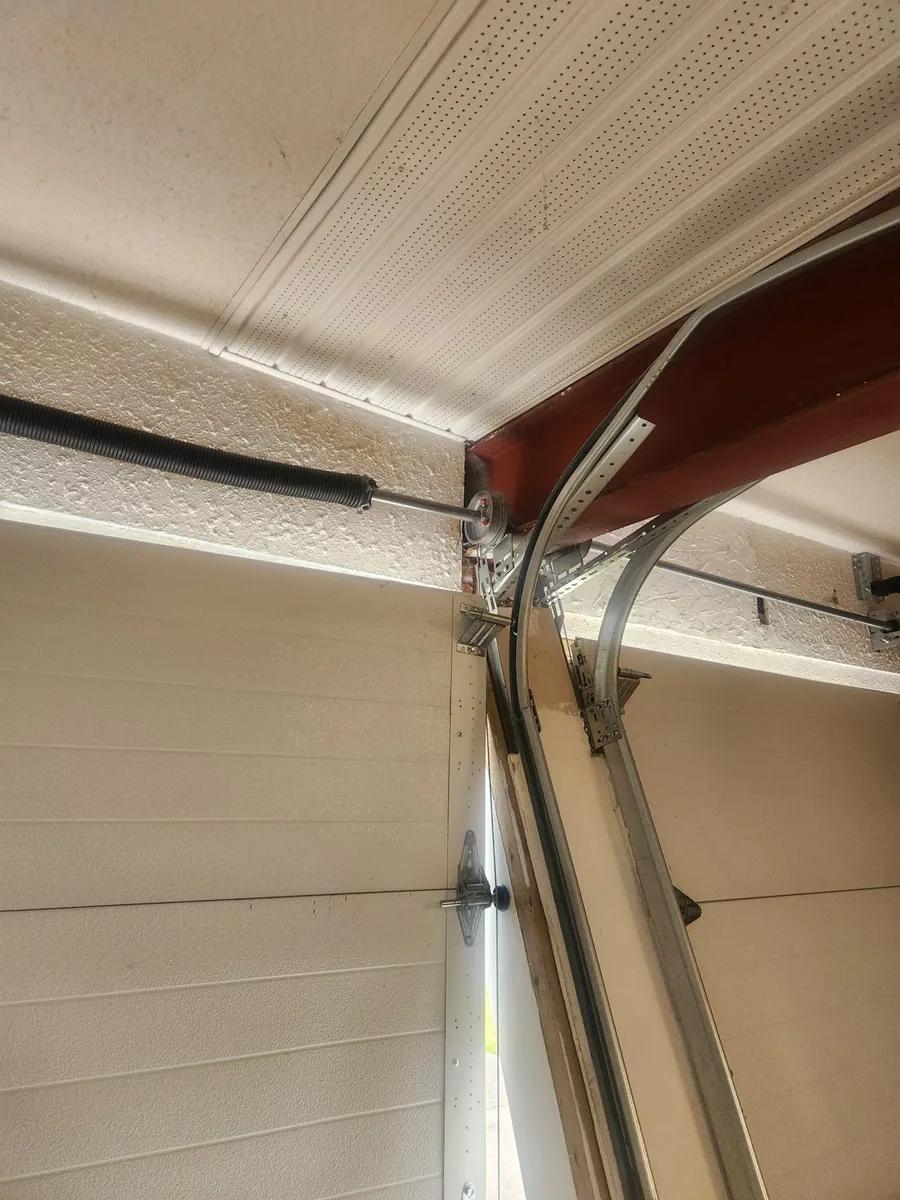
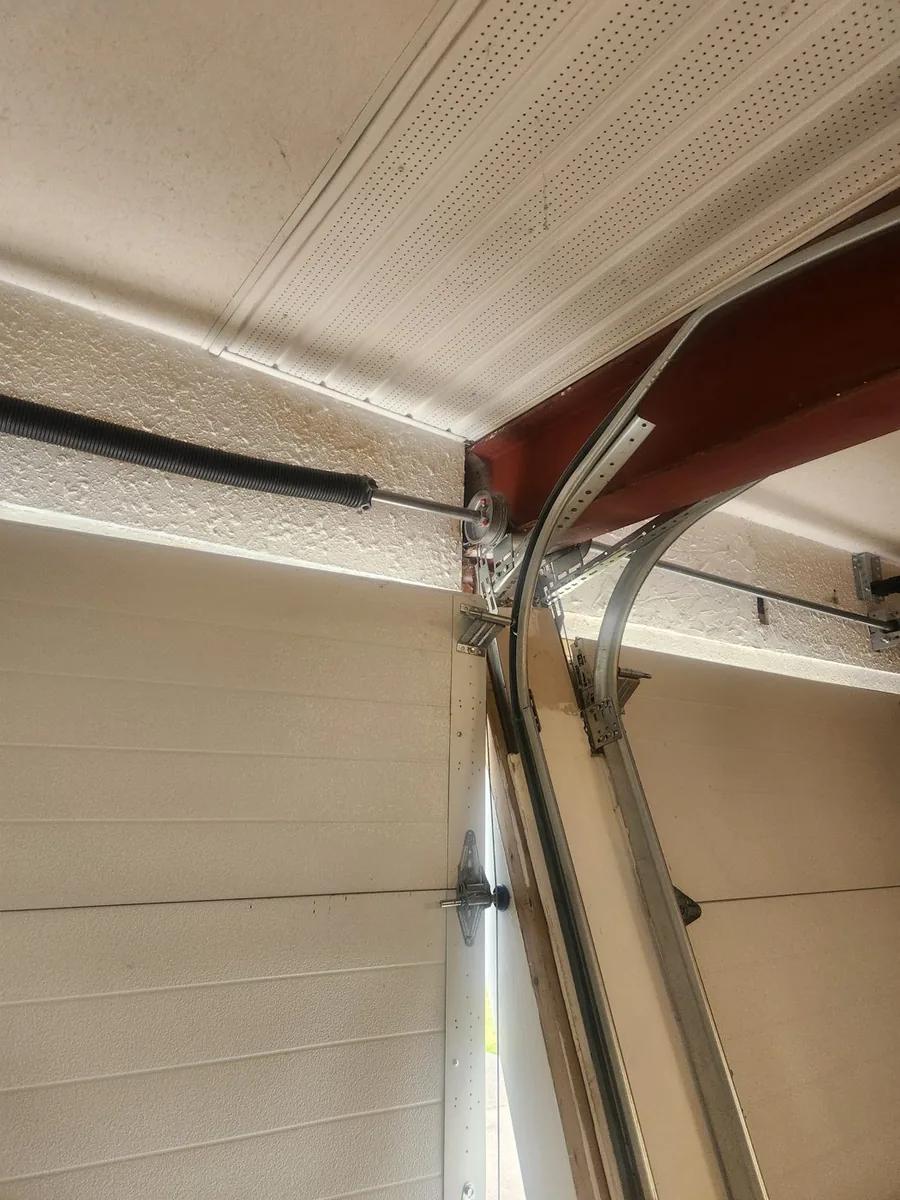
A roller is a wheel on a stem. The stem slides into the tube on an end hinge or a top or bottom bracket, and the wheel rides inside the track. A four-section residential door has ten rollers: two on the bottom brackets, two on each of the three hinge joints, and two on the top brackets. Every one of them goes around the curve twice per cycle. When a roller wears, the door gets loud first, then rough, then it starts to pull the track out of line.
Wheel size: 2" or 3"
The wheel has to match the track. Residential doors run 2" track and 2" rollers (the wheel is actually about 1 3/4" across, sized to ride in a 2" track). Commercial doors, tall strata parkade doors and heavy doors run 3" track and 3" rollers. They are not interchangeable: a 2" roller in 3" track rattles side to side and jumps the lip; a 3" roller will not fit a 2" track. If you are not sure which you have, measure across the open face of the vertical track: 2" or 3" is obvious.
Nylon or steel
Steel rollers are what most builder doors come with. They are cheap, they last if the bearing is any good, and they are loud: a steel wheel on steel track transmits every bump into the framing, which in a townhouse with a bedroom over the garage is the complaint we hear most. Nylon rollers have a nylon wheel over a steel bearing and stem. They run much quieter, they do not rust the wheel to the track, and in our experience the good ones outlast steel because the bearing is sealed and the wheel does not grind grit into itself. The cheap nylon rollers with no bearing, just a wheel on a stem, are the ones that fail in a year or two; avoid them.
| Roller | Wheel | Bearing | Stem | Where we use it |
|---|---|---|---|---|
| Steel, 10-ball | 2" steel | 10 balls, open | 4" | Builder standard; fine on a quiet detached garage |
| Nylon, 13-ball sealed | 2" nylon | 13 balls, sealed | 4" | Our default on residential doors; quiet, long life |
| Nylon, 13-ball, long stem | 2" nylon | 13 balls, sealed | 7" | Double-end hinges, doors with a strut over the roller |
| Steel, commercial | 3" steel | 10 or 13 ball | 7" or 7.5" | 3" track, commercial and strata doors |
| Nylon, commercial | 3" nylon | Sealed | 7.5" | 3" track where noise matters: parkades under suites |
| Short stem | 2" | Varies | 2" to 3" | Low-headroom top rollers, some older doors |
10-ball, 13-ball and sealed bearings
The number is how many ball bearings are in the race between the wheel and the stem. More balls spread the load and the roller spins more freely under the weight of the door. A 13-ball roller is noticeably smoother than a 10-ball, especially on a heavy insulated door. The other half of the story is whether the bearing is sealed. An open bearing in a Metro Vancouver garage fills with wet grit, the grease washes out, and the balls start to flat-spot: that is the rumble you hear. A sealed bearing keeps the grease in and the water out and is the main reason a good roller outlasts a cheap one.
Stem lengths: 4", 7" and 7.5"
The stem is the shaft that goes through the hinge tube. Standard residential rollers have a 4" stem. Long-stem rollers at 7" are for double-end hinges, for doors where a strut sits across the hinge line, and for some top brackets. Commercial 3" rollers usually come on a 7" or 7.5" stem to reach through the deeper 11-gauge hinge. Too short a stem does not engage the hinge tube fully and can pull out at the curve; too long and it fouls the next bracket or the track hanger. Measure the old stem from the back of the wheel to the end, and match it.
How rollers fail here
- Rust on the stem. Standing water on the slab wicks up the bottom rollers. Once the stem is pitted it chews the hinge tube and the roller wobbles.
- Flat-spotted wheel. Steel wheels develop a flat where the door rests closed, especially on doors that sit for weeks. Thump-thump on every rotation.
- Cracked nylon. Cheap nylon wheels with no bearing split at the hub. The bearing-type wheels rarely crack.
- Bent stem. From a door that went off track or was hit by a car. A bent stem binds in the tube and the roller will not turn; it just skids.
Replacing rollers: mostly DIY, with two exceptions
The rollers on the hinge joints and the top brackets can be swapped with the door closed, the opener unplugged and the track clamped: bend the vertical track lip out slightly at the roller height, or unbolt the hinge, swap the roller in the tube, and put it back. The two bottom rollers sit in the bottom brackets, which carry the cable and the spring tension; those two we do, along with anything that needs the cable off. If the door is a full replacement set, we do all ten in one visit as part of a tune-up, which is also when we catch the hinge and bearing problems that caused the rollers to wear in the first place.
Not sure which part you need?
Send a photo of the part to (778) 873-7282 on WhatsApp or text, or use the contact page. We identify it, bring the right one, and fit it the same visit.
Contact us(778) 873-7282